Table of Contents
New! Numerous therapeutic strategies and techniques can be tailored to the particular needs and characteristics of the household. Family members might seek treatment for different factors, consisting of: problems communicating properly might lead to misconceptions, problems, or constant arguments.
Treatment gives a secure area for families to explore their dynamics, enhance understanding, establish healthier patterns, and learn effective methods to manage difficulties.
The performance of a family members treatment session counts on numerous vital ideas and practices that cultivate a setting for significant involvement and progression. Here are the steps to running an effective family members treatment session. 1. Fundamental in family members treatment, this first action includes developing a safe and non-judgmental space where each relative feels comfy revealing themselves.
Program real understanding and compassion towards each member of the family's experiences and feelings. Develop a setting where everybody really feels listened to, valued, and confirmed, regardless of varying point of views or problems. Assure member of the family their privacy is respected and clarify the meaning of privacy. When a trustworthy and considerate atmosphere is completely established, relative are more likely to open, share their ideas and sensations, and actively engage in the restorative process.
Teen Depression and Household Stress
Focus on: Advertise an ambience where family members diligently pay attention without interrupting or judging each other. Show family participants to duplicate what they have actually listened to, making certain a clear understanding of each various other's perspectives.
Make sure the objectives are straightened with the household's needs. Clearly clarify the function of therapy, what changes are expected, and the potential outcomes. Frequently revisit and reassess the objectives to gauge progression and make any necessary changes. Clear goals give instructions and focus throughout treatment, assisting interventions and assisting relative track their progression.
This involves: Ensure all relative have the opportunity to share their ideas, ideas, and sensations each session. Acknowledge and value each household member's input, emphasizing the value of their perspective. Ensure that no one dominates the conversation and encourage quieter family participants to speak up. Encouraging engagement makes certain that all voices are heard, promotes a feeling of possession in the restorative procedure, and enhances the idea that each individual's contributions support positive adjustment.
Inclusive Therapy Practices That Honor Identity
If you utilize these methods, you will facilitate a much more effective and impactful therapeutic trip. The first session serves as an introduction to you and the restorative process. Permit each family members member to present themselves, sharing their reason for looking for therapy and their assumptions.

Gather details about family members characteristics, partnerships, and concerns. Determine strengths and challenges within the family members. Review the household's desires.
Ask the adults to complete and authorize any kind of consent or release kinds, as well as any kind of other needed documents. Develop a structure that promotes efficient communication, analytic, and progression towards restorative goals. To recognize each family participant's psychological state and worries, start the session by permitting each participant to briefly share their current ideas, sensations, and any kind of updates.
Collaboratively establish the focus for the session and determine pressing problems that call for discussion. This step makes certain that everyone feels heard and that the session addresses appropriate concerns. Wrap-up goals and review the progress made to track the family's progression and determine what requires to be resolved.
Therapist Credentials To Look For
Create a risk-free setting where each family member feels comfy expressing themselves. Urge respectful communication and help members understand each various other's point of views. Testimonial the main understandings, discussions, and final thoughts reached throughout the session.
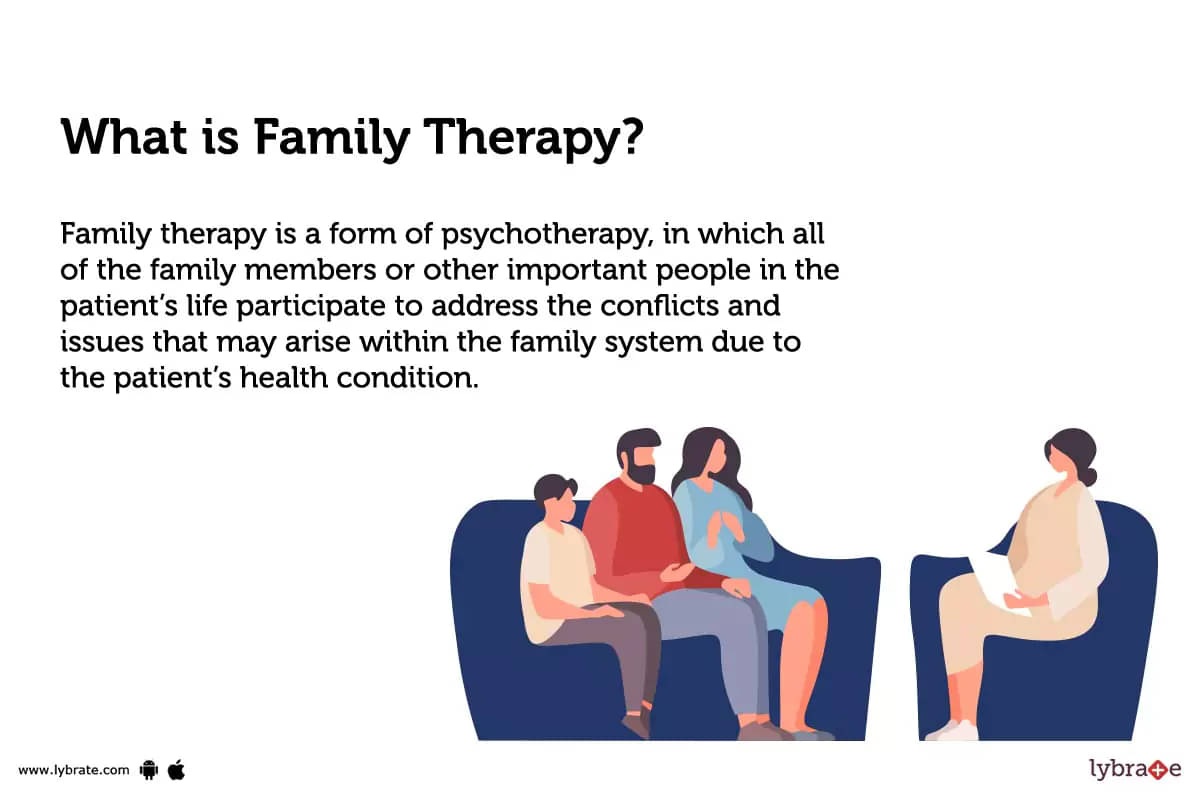
Below are extra suggestions: 1. 2. Foster a setting where each member of the family feels safe, approved, and valued no matter of their viewpoints or habits. Demonstrate real empathy by proactively listening and verifying the emotions and experiences expressed by each household member. Establish clear guidelines for communication, considerate habits, and session engagement.
Youth Depression as Household Stress
It can help moms and dads and caretakers recognize the root causes of troublesome habits and create techniques to address it. Families commonly encounter obstacles during significant life transitions such as separation, loss, or moving. Household therapy can supply assistance and support to assist families adjust to these changes and navigate them with greater convenience.
This can have a positive effect on the psychological and psychological health of all family participants. Involving the family in the treatment procedure creates an extra supportive environment for participants handling problems like depression or addiction. By resolving and fixing problems and dysfunction, family therapy can help prevent future problems and advertise healthier relationships.
Focus on developing a strong restorative alliance with the family members. Working together with the family members to develop clear, certain, and achievable treatment objectives that are straightened with the family members's problems and inspirations for seeking therapy. Make clear the functions of each family member while discussing the restorative procedure and discussing the commitment needed for progression.

Table of Contents
Latest Posts
Managing Developmental Trauma Through the Use of Integrated Therapies in El Dorado Hills, CA
Rapport Development within Attention Deficit Hyperactivity Disorder
Accessing Your Plans with ADHD Therapy Care
Navigation
Latest Posts
Managing Developmental Trauma Through the Use of Integrated Therapies in El Dorado Hills, CA
Rapport Development within Attention Deficit Hyperactivity Disorder
Accessing Your Plans with ADHD Therapy Care